
A blocked outside drain can start off as a small inconvenience, but it can quickly turn into overflowing water, bad smells and waste backing up where it shouldn't.
At AllTime Drainage, we regularly attend properties in Farnborough and the surrounding areas where an outside drain has slowed down or stopped flowing completely. In many cases, the blockage has been building for a while before the homeowner notices there is a problem. Here are the most common reasons it happens and what you can do about it.
Leaves, mud and general debris
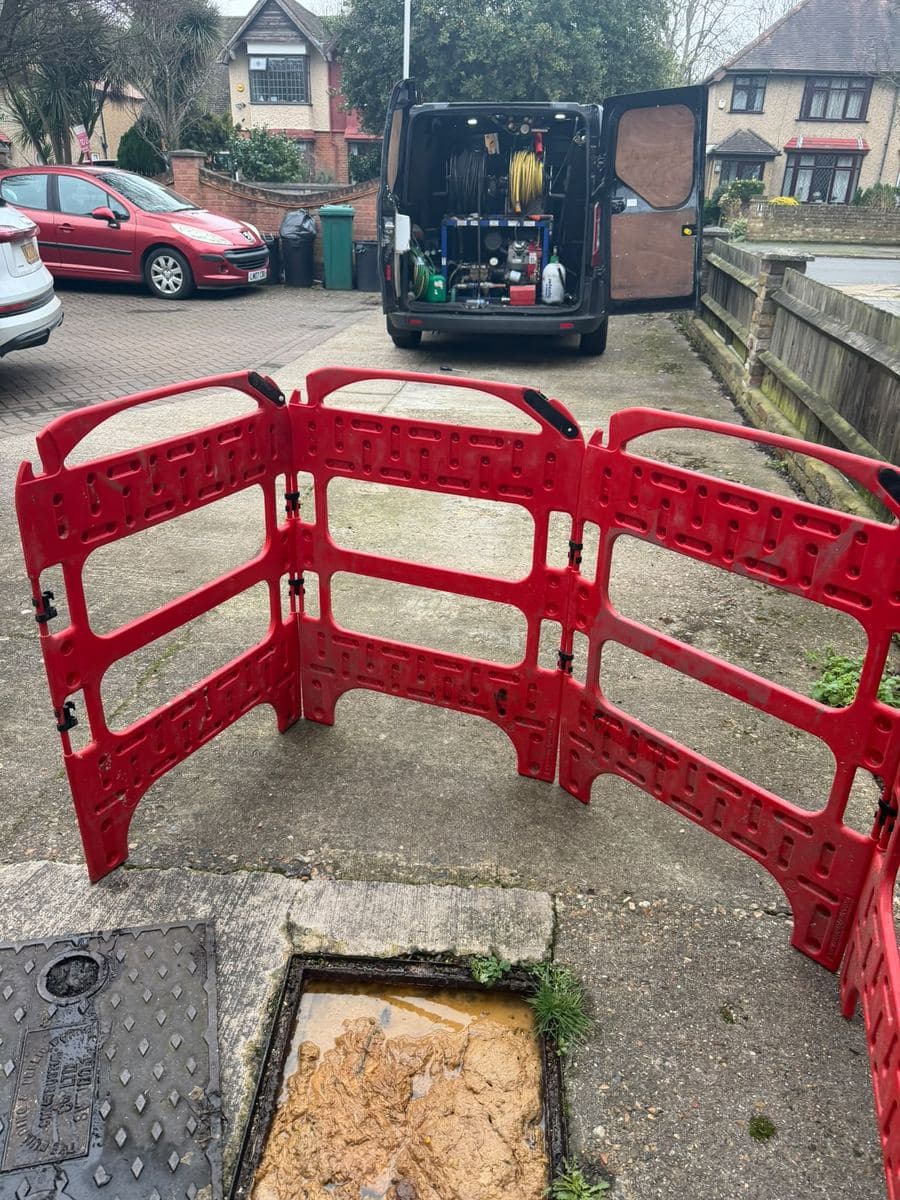
Outside gullies collect a lot more than water. Leaves, dirt, moss and other debris gradually build up inside the gully and pipework. Over time this restricts the flow until water starts sitting in the drain or overflowing onto the patio or driveway.
Keeping the top of the gully clear can help, but if the blockage is further along the pipe, it will usually need proper drain cleaning equipment to remove it.
Fat, grease and food waste
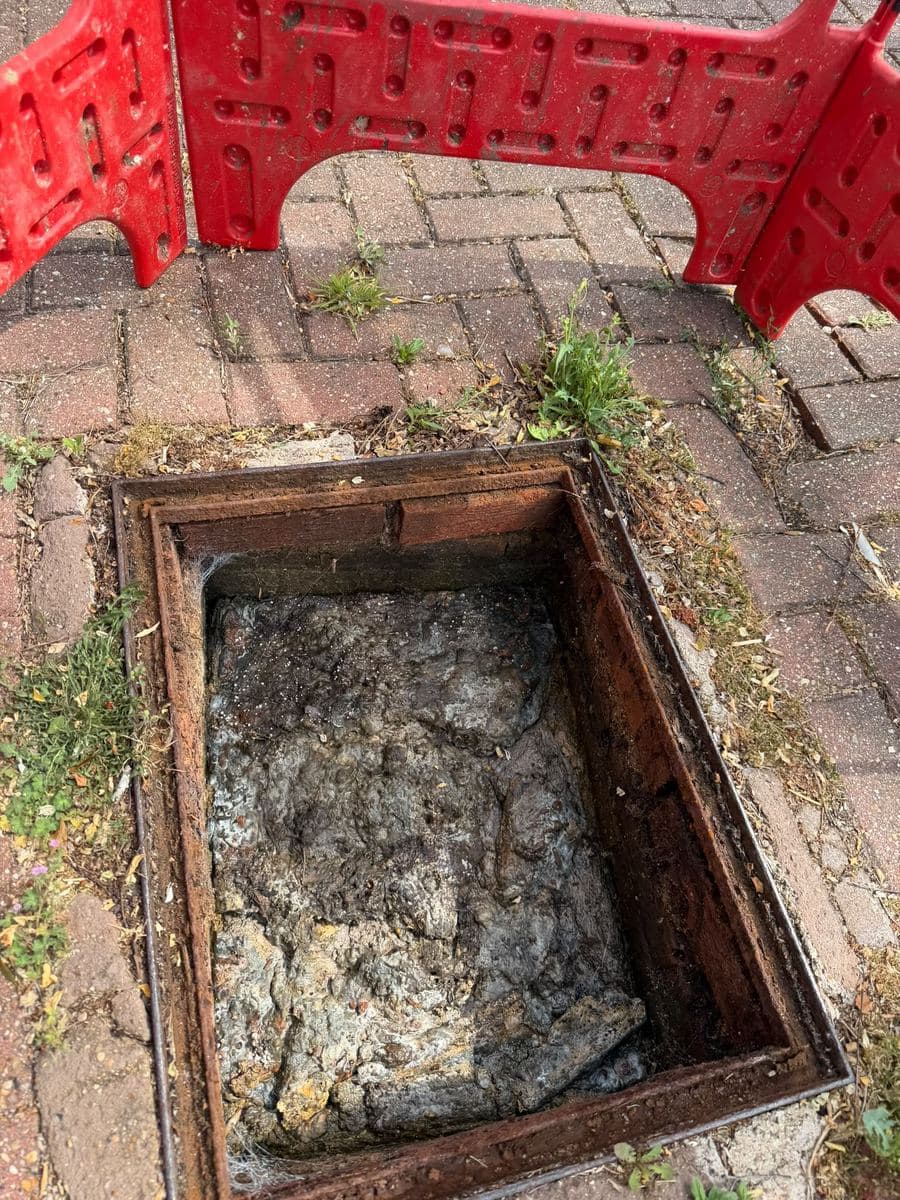
Kitchen waste pipes often run into an outside gully. Fat and grease may go down the sink as a liquid, but once they cool inside the pipe they stick to the walls and gradually build up. Food waste then catches on the grease and makes the restriction worse.
If your kitchen sink is draining slowly and the outside gully is also filling up, the two problems may be connected. Avoid pouring cooking fat or oil down the sink. Even small amounts cause problems over time.
Scale inside the drain
Drainage pipes can develop heavy scale deposits, particularly on older systems. The inside of the pipe becomes rough and narrow, which makes it easier for waste and toilet paper to catch. A drain may keep blocking even after it has been cleared if the underlying scale has not been removed.
In these situations, high-pressure water jetting or specialist mechanical cleaning cleans the pipe properly rather than simply making a hole through the blockage.
Tree roots
Roots are another common cause of repeated drainage problems. They usually enter through a damaged joint, crack or defect in the pipe. Once inside, they keep growing and catch waste as it travels through the drain.
Simply cutting the roots out may restore the flow, but it is important to inspect the pipe afterwards to find out how they got in. A CCTV drain survey can normally identify the damaged section and help decide whether a repair is needed.
Damaged or displaced pipework
Sometimes the blockage is only a symptom of a bigger issue. Ground movement, ageing pipework or previous building work can cause pipes to crack, collapse or become displaced. This creates a lip inside the drain where waste repeatedly catches.
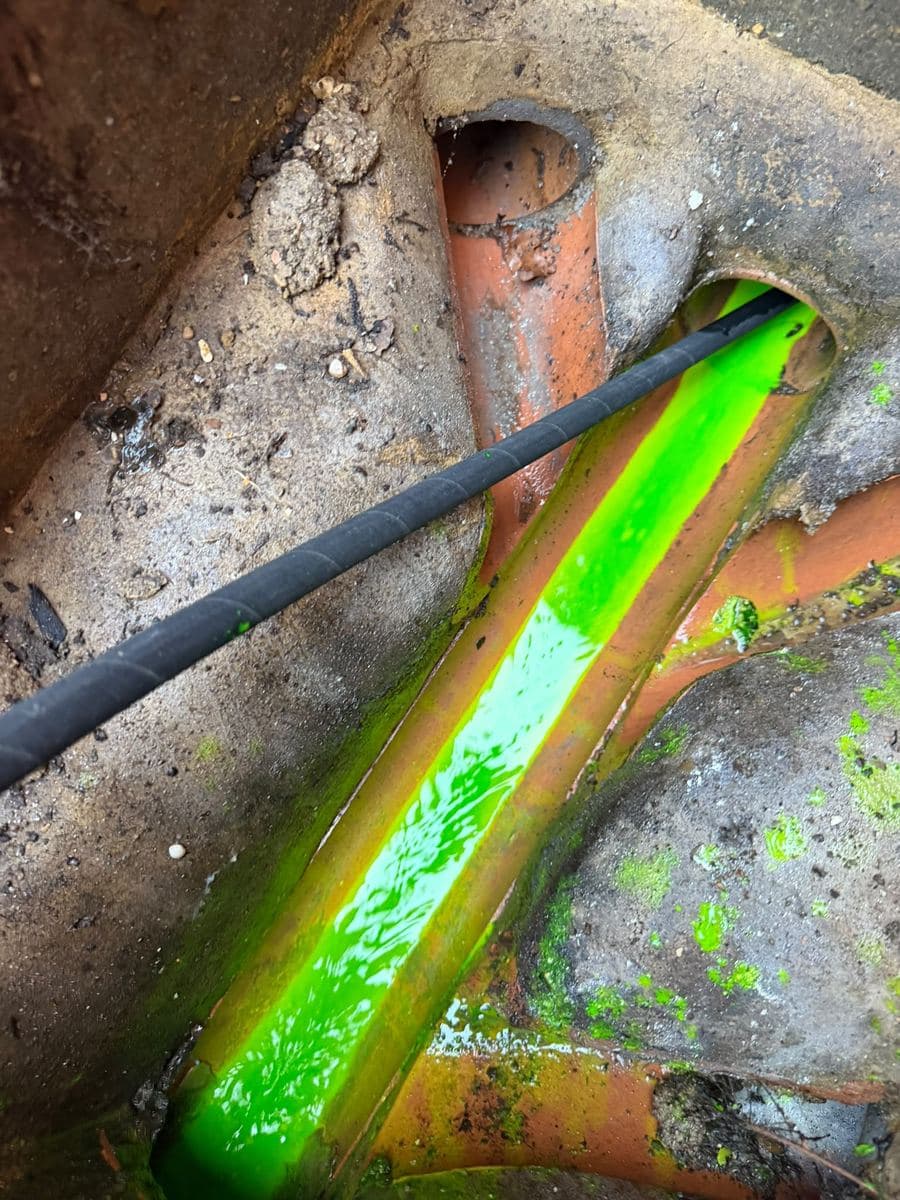
If a drain keeps blocking in the same place, a camera inspection is often the quickest way to find out why. Depending on the damage, some repairs can be completed without digging using patch lining.
What should you do if your outside drain is overflowing?
- Avoid running more water into the drainage system until you know where the problem is.
- If you can, check whether nearby manholes or gullies are also holding water. That shows whether the blockage is in one pipe or the main drain run.
- Don't force rods into pipework if you're unsure where the drain goes. Rods can get stuck, separate inside the pipe or damage already weakened pipework.
- If the water level keeps rising, get the drain inspected and cleared before it gets worse.
Drain unblocking in Farnborough and surrounding areas
AllTime Drainage provides drain unblocking, high-pressure jetting and CCTV drain inspections across Farnborough and the surrounding areas. We aim to find the cause of the problem rather than simply clearing the immediate blockage, and where needed we'll inspect the pipework with a camera and advise on repair options.